


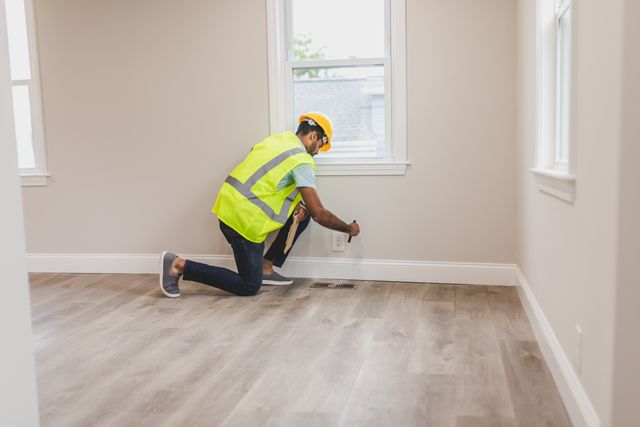
What happens when your home needs significant repairs or updates, but your physical limitations make traditional restoration work difficult or impossible? Home restoration projects can feel overwhelming for anyone, but people with disabilities face unique challenges that require thoughtful planning and creative problem-solving. With the right strategies, resources, and support, you can successfully manage home restoration while protecting your health and independence.
Planning Your Project With Accessibility in Mind
The foundation of any successful home restoration project is thorough planning that accounts for your accessibility requirements from the start. Begin by identifying exactly what needs to be restored or repaired, then prioritize these tasks based on both urgency and impact on your daily life. For example, fixing a bathroom that lacks grab bars or accessible shower features might take priority over updating kitchen cabinets because the bathroom directly affects your safety and independence. Document everything in writing, including measurements of doorways, hallways, and rooms you plan to modify. This written record becomes invaluable when you communicate with contractors and designers about what accommodations you need.
Consider how each restoration task will affect your ability to move through and use your home during the work. If you use mobility aids, think carefully about how construction debris, temporary walls, or relocated furniture might impact your access routes. Plan ahead for parking, bathroom access, and rest areas if you experience fatigue or pain. Addressing these details before work begins prevents stressful situations where a contractor has inadvertently blocked your primary route through the house.
Finding Contractors Who Understand Accessibility
Selecting the right contractor is crucial when your home has specific accessibility needs. Seek professionals who have previous experience working on homes for people with disabilities or who have completed accessibility modifications. When interviewing candidates, ask specific questions about their familiarity with universal design principles, such as whether they have installed curbless showers, widened doorways, or built accessible kitchens. Request references from previous clients with similar accessibility needs and take time to speak with those references directly.
Be detailed in your initial conversations about your disabilities and how they affect what you need from your home. Explain your specific limitations and ask how each contractor would approach your particular situation. A contractor who asks thoughtful questions, listens carefully, and adjusts their approach to meet your needs is worth the effort of finding. Someone who seems dismissive or unwilling to accommodate your requirements will likely maintain that attitude throughout the project.
Managing Finances and Finding Funding Sources
Home restoration can be expensive, and accessibility modifications may increase costs beyond standard renovations. Research funding options specific to your situation before committing to a project timeline. Many states offer home modification programs through vocational rehabilitation services, particularly if your disability affects your ability to work or live independently. Nonprofits focused on disability services often maintain lists of grants and programs that help cover modification costs, including low-interest loan options in some communities.
Obtain detailed written estimates from multiple contractors so you can compare costs accurately and understand what each price includes. Ask whether contractors offer payment plans or can phase the project to spread costs over time. When unexpected water intrusion, mold, or structural damage complicates a modification project, residents who need professional property damage restoration services in Baldwin, NY rely on certified specialists to assess and remediate conditions before accessibility work can safely proceed. Keep meticulous records of all expenses related to your home modifications, as some medical and accessibility costs may be tax-deductible.
Communicating Your Needs Throughout the Project
Clear communication with your contractor and any workers in your home is essential for a successful restoration project. Create a written summary of your accessibility needs and any safety considerations, and share it with everyone who will be working in your home. This document might include information about mobility aids you use, times when you need rest or medication, areas of your home that must remain accessible, and emergency contact information.
Establish regular check-in meetings with your contractor to discuss progress, address concerns, and make adjustments as needed. If something is not working as expected, raise the issue immediately rather than waiting until the project is nearly complete. For instance, if a contractor’s equipment is blocking bathroom access earlier than anticipated, discuss alternative staging arrangements right away. Maintaining open, respectful communication prevents misunderstandings and helps ensure that the final result meets your accessibility requirements.
Protecting Your Health During the Project
Home restoration projects create disruption and stress that can affect your physical and mental health, so planning strategies to minimize the impact on your daily routines is worthwhile. Arrange for any personal care assistants or support services you rely on to continue their regular schedules, coordinating with contractors about times when workers will not be present. If you take medications on a specific schedule or need regular rest periods, communicate these needs to the contractor’s team.
Dust, noise, and construction debris can aggravate respiratory conditions, pain, or other symptoms. Ask your contractor whether they can use dust barriers, run air filtration equipment, or schedule noisier work during times when you can be away from home. If construction disrupts your sleep, explore temporary accommodations such as staying with family or adjusting your schedule. Pay attention to your physical and emotional well-being throughout the project, and discuss with your contractor whether the timeline or approach can be modified if demands become unsustainable.
Conclusion
Home restoration as a disabled person requires thoughtful planning, clear communication, and a commitment to protecting your health and independence throughout the process. By planning carefully with accessibility in mind, selecting contractors who understand your needs, exploring available funding options, and maintaining open dialogue, you can successfully complete the home modifications that will improve your quality of life. Your needs and comfort are as important as the technical aspects of any project, and you have the right to set boundaries that protect your well-being.
Author information: Paige Linton is interested in culture, creativity, and practical ways to stay organized. She enjoys learning from different experiences and finding simple ideas that make life feel more balanced.


